Welcome to Grade Three!
Grade 3 is an exciting stage, as children expand their horizons and significantly develop greater independence in the areas of learning, social responsibility and personal organisation. The school values of respect, resilience, responsibility and learning success are taught across all subject areas.
 |
 |
 |
Literacy
The English program teaches children to engage and enjoy all types of reading and writing activities. In writing they are taught to write a variety of different genres; recount, narrative, information report, persuasive and poetry. The children are guided and scaffolded through how to write with the different language features and structure for each genre to then write independently.
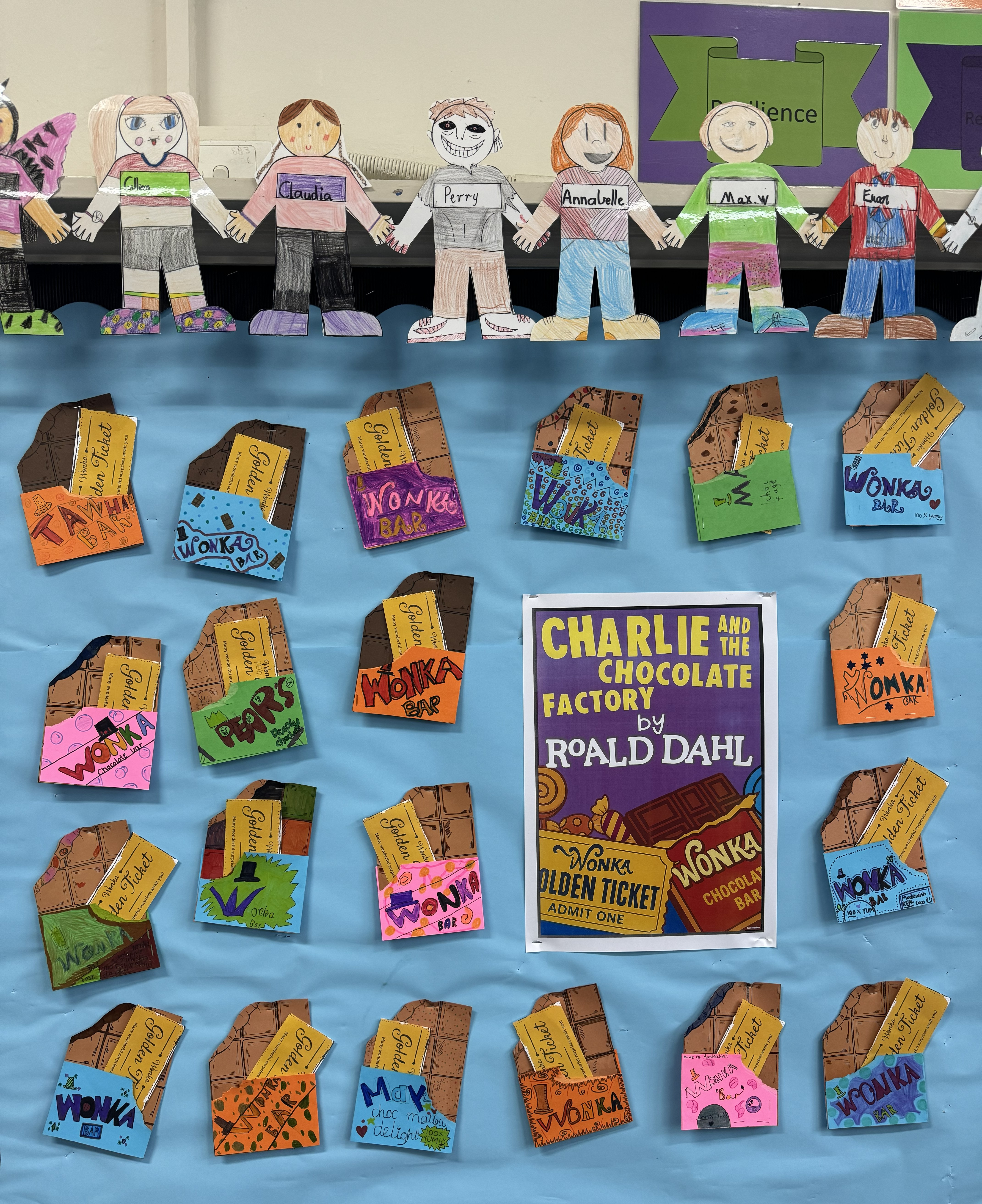
The focus for reading in grade 3 continues to build on their oral reading accuracy and fluency. A range of comprehension strategies are covered using both fiction and non-fiction texts to increase their understanding of what they’ve read. Each classroom has an extensive classroom library that the children have access to. Spelling and grammar are important and is explicitly taught each week through a range of whole, small group and individual activities. Handwriting is a great challenge and takes on extra importance as the children work towards the mastery of joining writing. This effort and achievement is celebrated with the presentation of a joining licence. Each term a novel is studied in more detail for a literature unit and the children enjoy completing a variety of activities related to the text.
Numeracy
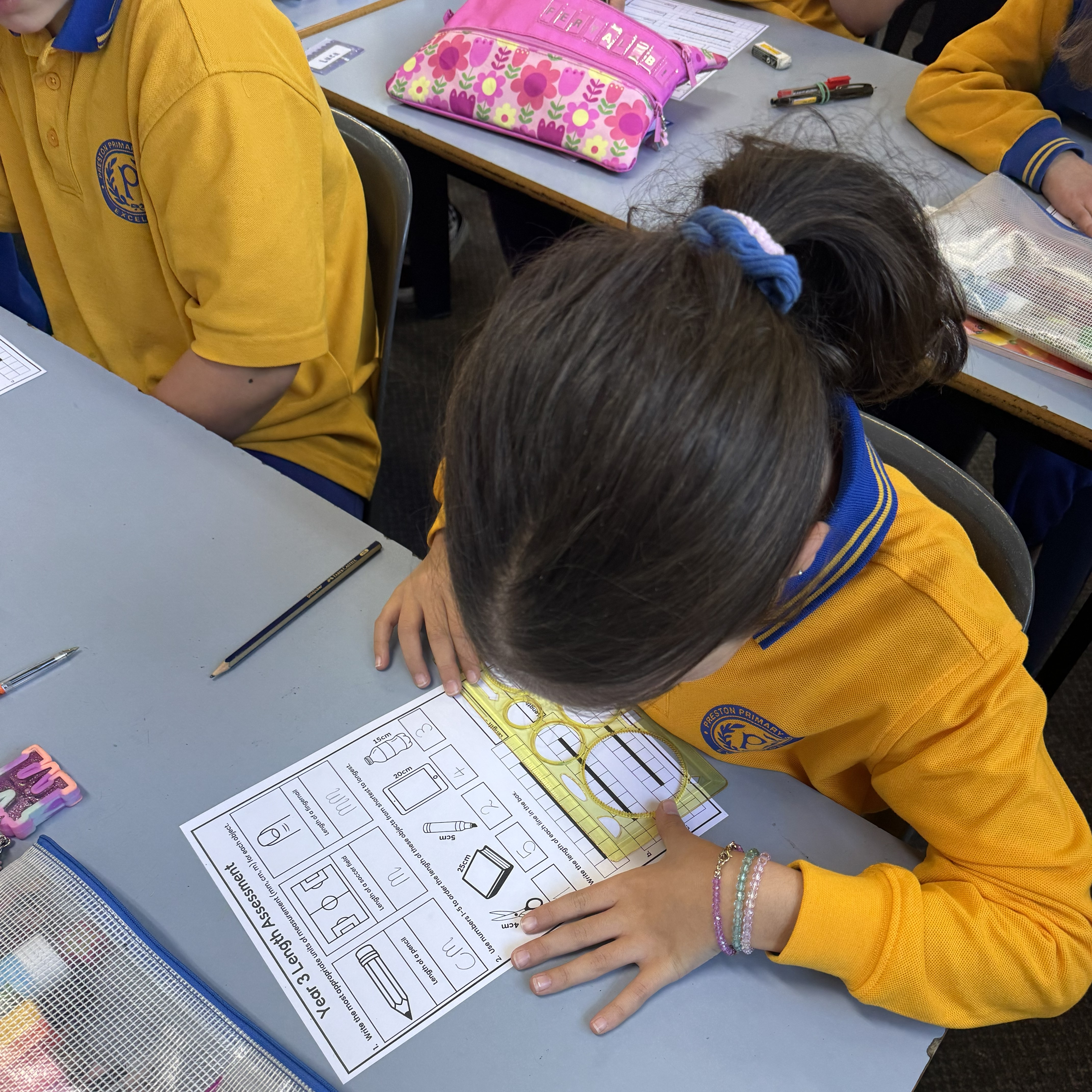
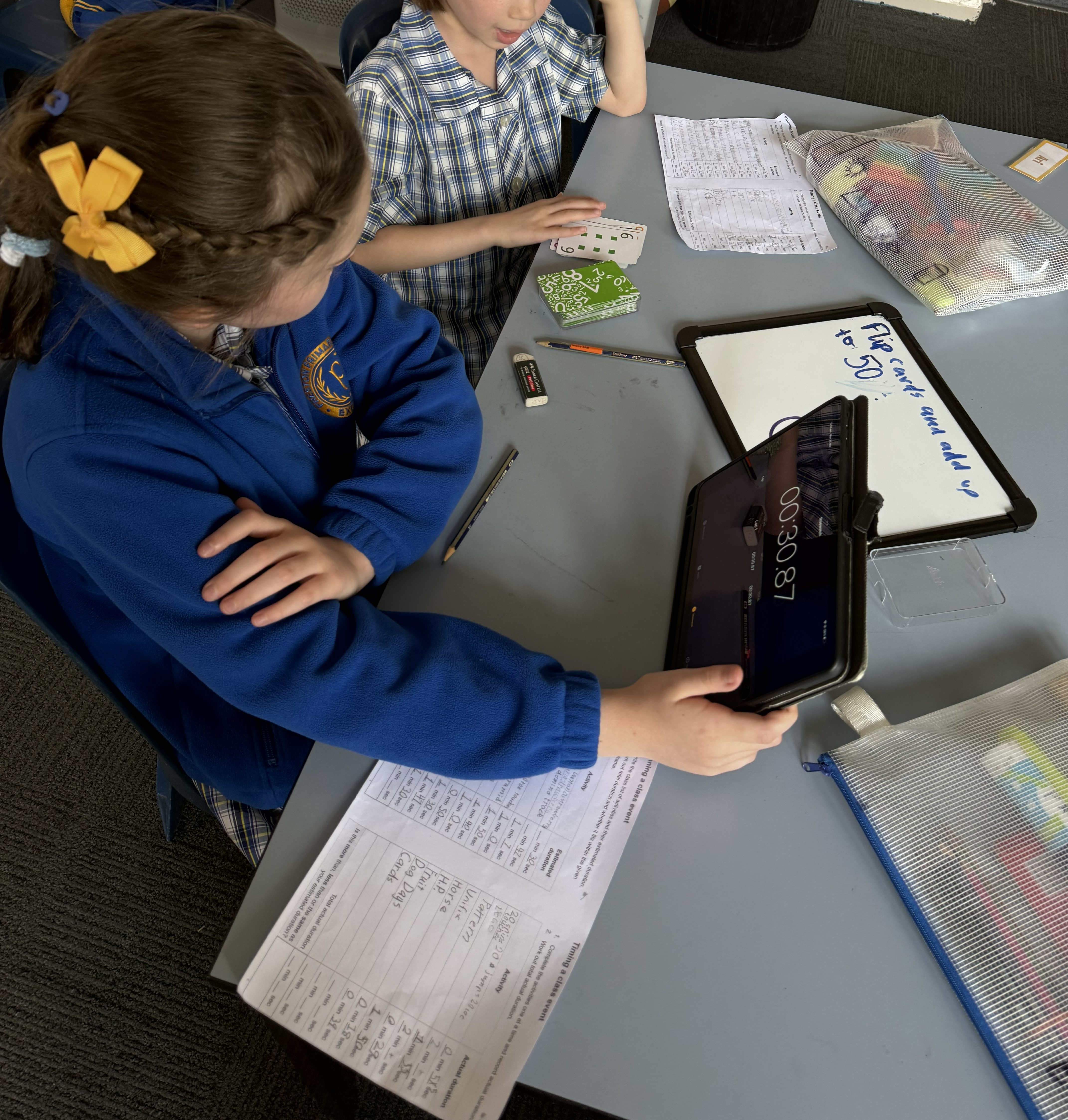
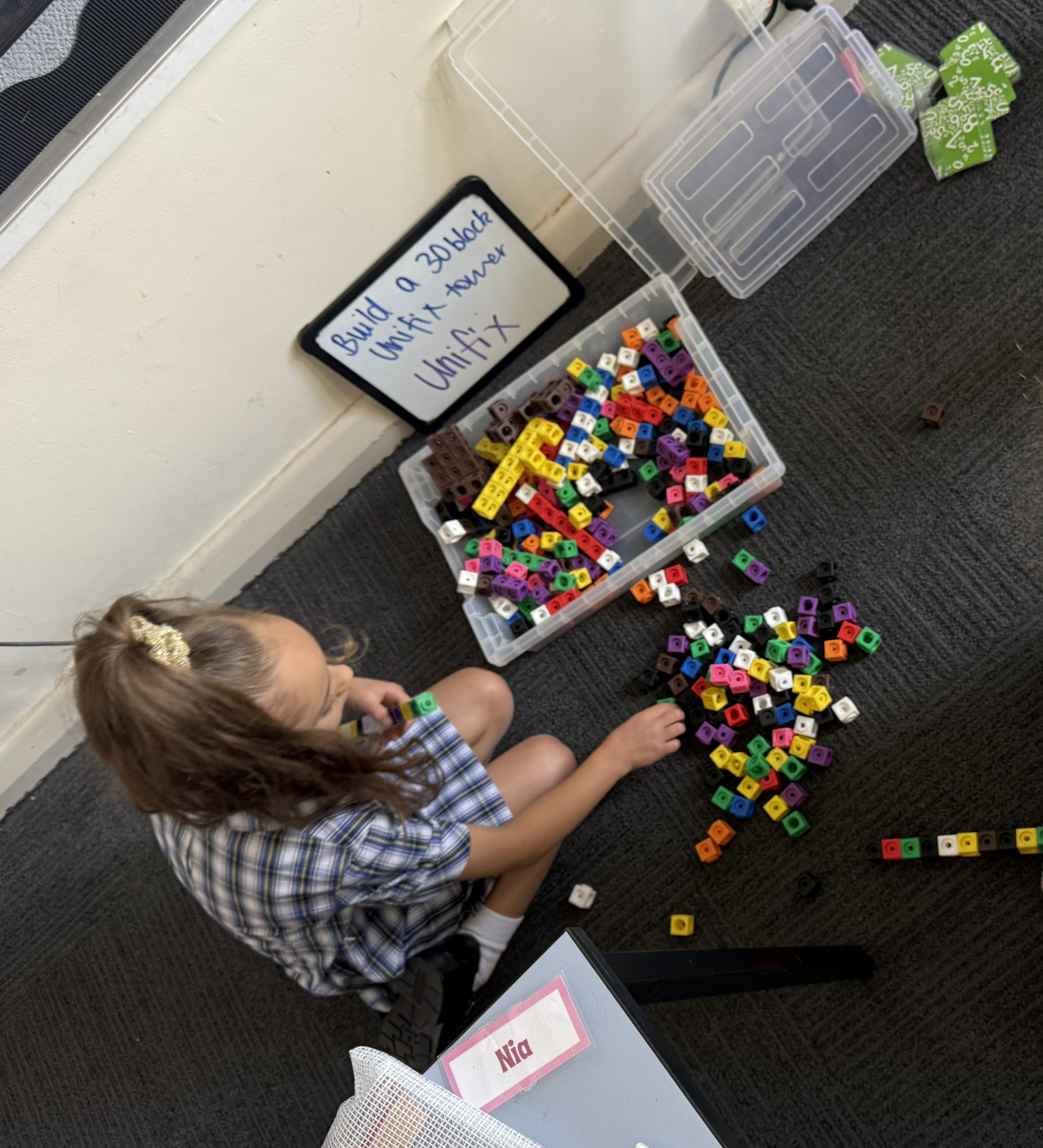
Maths in Grade 3 is delivered using engaging, hands on and real-life experiences. They are explicitly taught a range of strategies to solve various problems and are encouraged to explain their thinking and understanding. The mathematical concepts covered across the year include Number and Algebra, Measurement and Geometry and Statistics and Probability. Throughout the week the maths lessons are a combination of whole group, small group and then independent practise. Hands on materials, interactive games and digital technologies are utilised to make each lesson engaging and meaningful. Mental computation of the basic facts continues to be a focus, consolidating the addition and subtraction facts and extending the multiplication and division facts.
Humanities
Humanities topics are taught across the year covering:
- History: Students look at communities and commemorations and celebrations.
- Geography: Students explore the Australian continent and its neighbours and the similarities and differences between places.
- Civics and Citizenship: Students find out more about democracy, laws and citizens
Lessons are engaging and delivered using a variety of approaches including hands on equipment, small and whole group activities, incorporation of technologies and often have an exciting excursion related to the topic to further their learning.
Science
Students investigate changes of state; rocks, minerals and soils; heat energy and lifecycles of living things.
ICT
ICT skills are developed using a bank of laptop computers and iPads, which are integrated into weekly numeracy and literacy sessions using a variety of apps and programs, including Mathletics. Grades also have weekly designated ICT sessions teaching specific technology skills including researching online, creating and sharing our learning using a variety of apps and programs.
NAPLAN
Grade 3 students experience NAPLAN (a national assessment program in reading, writing, language conventions and numeracy) for the first time in March. Parents and schools receive the results later on in the year.
Over the year the children enjoy a broad range of stimulating and challenging activities which include weekly Art, PE, Music, Performing Arts, Wellbeing and Italian lessons, along with themed whole school event days, once a term.
In Term 4 students take part in a weekly swimming program at the Reservoir Leisure Centre.
Grade 3, an exciting time for learning, growing and working together!
 |
 |
 |